

All Star Wheelchairs Publishes Overview of Customer Priorities in 2025 Mobility Equipment Selection
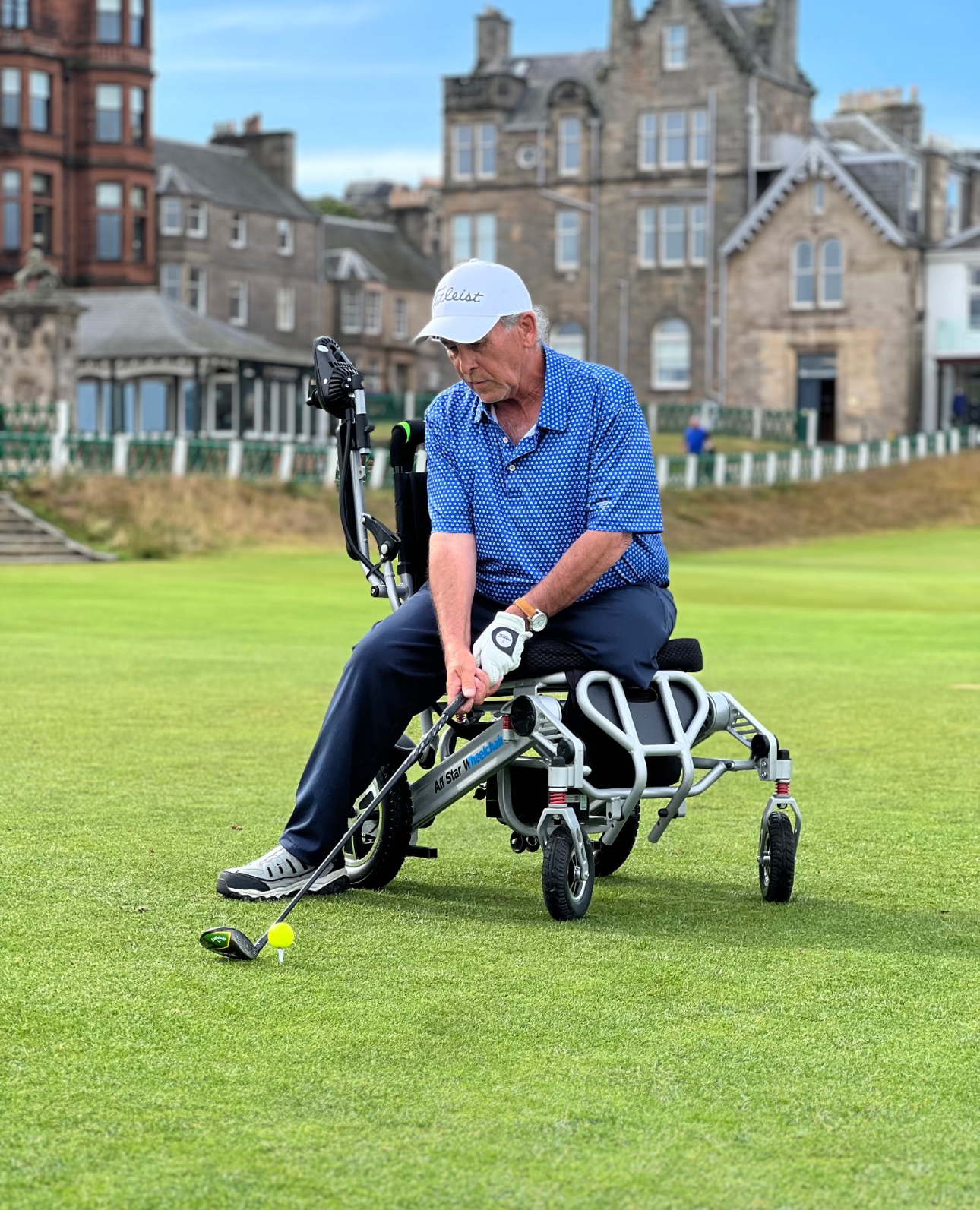

As mobility needs evolve and consumer expectations shift, 2025 has become a defining year for individuals seeking new or upgraded mobility equipment.
LAS VEGAS, NV, UNITED STATES, February 11, 2026 /EINPresswire.com/ -- As mobility needs evolve and consumer expectations shift, 2025 has become a defining year for individuals seeking new or upgraded mobility equipment. All Star Wheelchairs has released an overview examining the key priorities influencing mobility-related purchasing decisions across the United States. The report draws on customer surveys, service inquiries, market feedback, and nationwide usage trends to better understand how people approach the process of selecting wheelchairs, power chairs, lift-assist beds, and related mobility devices.The findings highlight both long-standing concerns as well as emerging considerations that reflect technological advancements, accessibility needs, and changing patterns of daily living. The overview offers a snapshot of how Americans navigate mobility choices in a time where independence, safety, and adaptability are increasingly important.
Aging in Place Remains a Primary Motivator
One of the strongest themes in the 2025 analysis is the ongoing desire among older adults to remain in their own homes rather than transition to assisted living or long-term care communities. This preference influences virtually every aspect of mobility equipment selection.
Customers consistently emphasized the importance of mobility devices that support:
Safe, independent transfers
Maneuverability in smaller home environments
Adaptability to living spaces not originally designed for mobility equipment
Reduced reliance on caregiver physical assistance
Comfort during extended daily use
For individuals with chronic conditions or age-related mobility restrictions, the capability to continue daily activities safely within their existing homes remains one of the most influential factors in device selection.
Usability and Ease of Operation Are High Priorities
Across all age groups, ease of use emerged as a dominant priority in the selection of mobility equipment. Customers frequently cited the need for intuitive controls, straightforward setup, and predictable performance.
Comments highlighted several user-focused concerns:
Controls that work for individuals with arthritis or limited hand strength
Simple folding or disassembly for travel or storage
Predictable steering and braking systems
Devices that do not require extensive onboarding or technical knowledge
The trend reflects a broader desire for technology that integrates seamlessly into daily routines without adding complexity or reliance on constant support.
Transportability and Home Fit Play Increasingly Important Roles
Another key priority involves how well mobility equipment fits into customers’ daily environments, not only within the home, but during transportation.
Three themes stood out:
1. Home Maneuverability
Consumers reported a preference for models with narrow turning radiuses, compact footprints, and enough stability to navigate hallways, kitchens, and smaller bedrooms.
2. Vehicle Loading and Travel Readiness
Transportation remains a significant factor, especially for users who rely on personal vehicles rather than paratransit services. Many respondents expressed the need for equipment that can be lifted into a trunk or folded without specialized equipment or multiple people.
3. Adaptability to Different Surfaces
Indoor surfaces, carpet, outdoor ramps, and sidewalks all require slightly different performance qualities. Customers emphasized the importance of chairs that perform reliably across all environments they encounter in an average week.
These concerns reflect a growing desire for mobility solutions flexible enough to meet both home and community needs.
Safety Features Continue to Guide Decision-Making
Safety was identified as one of the most frequently mentioned customer priorities across all surveyed groups. Consumers are increasingly informed about risk factors such as tipping, braking reliability, and battery performance, and many approach mobility decisions with these topics already top of mind.
Key safety considerations include:
Stable center of gravity and anti-tip design
Reliable electromagnetic braking systems
Visibility for outdoor use
Battery safety, charging transparency, and performance consistency
Secure seating and pressure-reducing cushions
Predictable speed controls for indoor environments
The findings also indicate increased consumer interest in safety certifications, independent testing data, and third-party reviews rather than relying strictly on manufacturer specifications.
Battery Life and Charging Transparency Have Growing Importance
Electric mobility devices rely heavily on battery technology, and customers in 2025 are paying closer attention to:
Estimated real-world range
Charging time
Battery cycle lifespan
Availability of replacement batteries
Travel and airline compliance
Safety considerations related to lithium systems
Consumers emphasized the need for transparent information rather than idealized estimates, hoping to avoid range anxiety or unexpected maintenance concerns. Many respondents also noted confusion surrounding airline battery regulations, suggesting a need for clearer standardized communication across the industry.
Durability and Long-Term Reliability Influence Purchasing Decisions
Given the long-term investment associated with mobility equipment, users frequently prioritize durability and the ability to withstand daily wear. Customers expressed concern about:
Long-term frame stability
Tire lifespan
Motor performance over time
Availability of replacement parts
Frequency of required maintenance
Responsiveness of repair networks
The report indicates that buyers increasingly view mobility equipment as a long-term asset and evaluate potential options based on projected lifespan rather than upfront price alone.
Cost Transparency and Coverage Remain Significant Factors
While the 2025 overview avoids commercial interpretation, customer feedback suggests that economic considerations remain central in mobility decisions. Factors influencing the financial aspect include:
Clear, upfront pricing
Repair costs and parts availability
Warranty scope
Compatibility with insurance, Medicaid, or veterans' benefits
Long-term maintenance expenses
In several regions, customers reported challenges navigating insurance coverage for mobility equipment, expressing the need for clearer explanations of which devices qualify for assistance and which require full out-of-pocket payment.
Caregiver Input Shapes Many Decisions
Caregivers, both professional and family-based, play an increasingly significant role in mobility selection. Their feedback often centers on:
Ease of assisting with transfers
Stability during daily routines
Equipment weight and maneuverability
Relief from physical strain
Predictability of equipment behavior
Caregiver priorities often align closely with user needs, but may emphasize practicality and long-term safety in day-to-day care environments.
Growing Interest in Devices That Blend With Home Environments
The report notes that many customers prefer products that integrate aesthetically into their living space rather than appearing clinical or institutional. This trend is especially prominent among younger mobility users and older adults seeking to maintain a sense of normalcy at home.
Factors influencing this trend include:
Color options
Minimalistic design
Reduced medical appearance
Compatibility with existing furniture layouts
While aesthetics are not the primary driver of mobility decisions,
Tom Echter
All Star Wheelchairs Press Department
email us here
Visit us on social media:
Facebook
YouTube
Legal Disclaimer:
EIN Presswire provides this news content "as is" without warranty of any kind. We do not accept any responsibility or liability for the accuracy, content, images, videos, licenses, completeness, legality, or reliability of the information contained in this article. If you have any complaints or copyright issues related to this article, kindly contact the author above.
